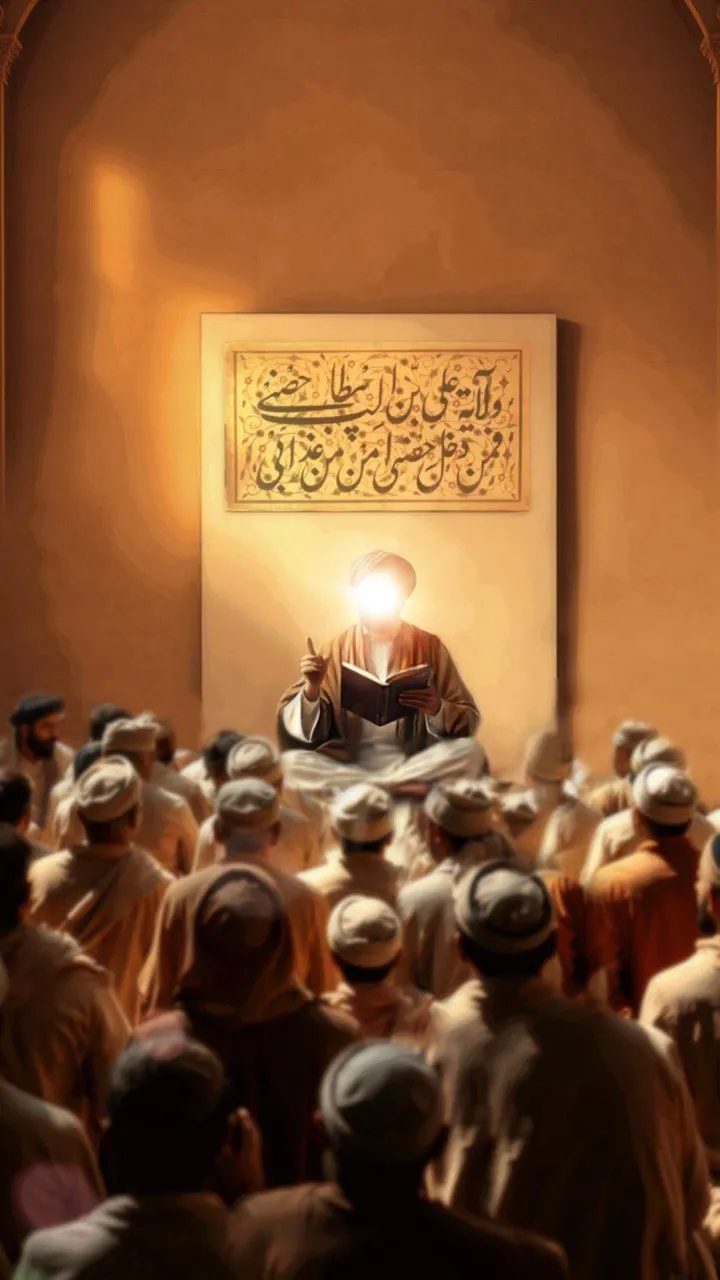
"تم میں سے ہر شخص نگہبان ہے اور ہر شخص سے اس کی رعیت کے بارے میں سوال کیا جائے گا۔"
"Every one of you is a shepherd, and every one of you is responsible for those under his care."
Narrator
Prophet Muhammad (PBUH)
Source
Sahih al-Bukhari, Hadith 893
Explanation
This hadith establishes the principle of accountability. Every individual is entrusted with responsibilities, whether as a parent, teacher, leader, manager, or student. Leadership in Islam is not limited to political authority; it includes every role where a person influences others. A leader will ultimately be questioned about how they fulfilled their responsibilities.
Connection to Main Wisdom
Imam Ali (AS) teaches leaders to reform themselves before guiding others. The Prophet (PBUH) teaches that every position of leadership carries accountability. Together, these teachings show that responsibility begins with self-discipline and ends with accountability before Allah.