
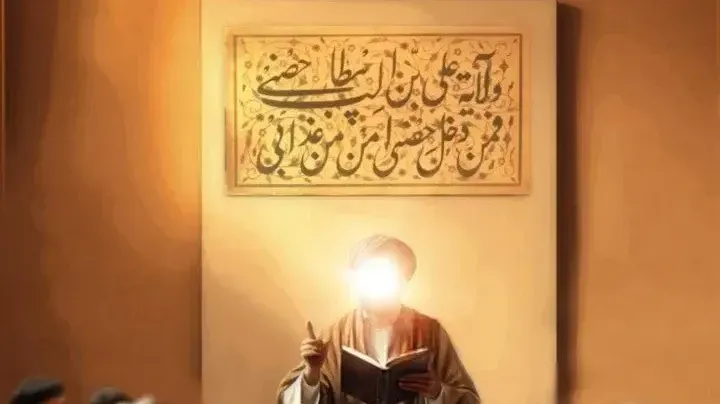
The Currency of Leadership: Imam Ali’s (AS) Wisdom on Trust
Imam Ali (AS) teaches that leadership without trust is empty authority — and betrayal of trust destroys the foundation of any community.
Reading Progress
0% complete
9 min read
Estimated reading time
Explanation
Start here if you came to understand the meaning and context before moving into the original wording.
Main Explanation
Imam Ali clearly establishes that trust is not optional — it is sacred (Amanah). When someone trusts you — whether in leadership, friendship, family, or work — they are placing responsibility on you, not giving you a compliment. Breaking that trust is not a small mistake. It destroys: 1.dignity (worldly + spiritual) 2.credibility 3.leadership authority itself Imam Ali (AS) makes it clear: Leadership without trust is not leadership — it is disguised failure.
Detailed Explanation
What does this wisdom actually mean? Imam Ali (AS) is not talking about trust as a social courtesy — he is defining it as a moral contract. When someone trusts you, they are not praising you. They are handing you responsibility + vulnerability together. 1. Trust is a responsibility, not a compliment When a person trusts you, they expose something valuable: *A friend shares a secret → vulnerability *A teacher assigns responsibility → dependence *A leader gives authority → accountability *A family member relies on you → emotional safety Imam Ali (AS) is saying: 👉 This vulnerability is Amanah (sacred trust), not casual interaction. Betraying it is not “mistake behavior” — it is breaking a sacred contract. 2.Betrayal has multiple forms (Khiyanah is wide) Betrayal is not only lying. It includes: *Breaking promises intentionally *Leaking private information *Misusing authority or power *Ignoring responsibilities you accepted *Acting differently than what you committed *Using someone’s trust against them later Even “small betrayals” accumulate into character damage. 👉 Imam Ali (AS) is warning: trust doesn’t break in one moment — it erodes step by step. 3. Consequences are both worldly and spiritual Imam Ali (AS) mentions: *Dhull (ذل) → humiliation, loss of dignity *Faqr (فقر) → poverty, emptiness, loss of value This is not only financial poverty. It means: *loss of respect *loss of credibility *loss of inner peace *loss of standing before Allah Even if betrayal gives short-term benefit, long-term outcome is collapse of trust identity. 4. Trustworthiness is a fixed identity, not a temporary behavior Second narration explains a deeper principle: If you betray trust once, you damage your entire trust identity Meaning: *Trust is not “situational” *It is a pattern-based character trait People don’t judge you by one action — they judge whether you are generally safe to rely on or not 👉 Once that image breaks, it is very hard to restore. 5. Authority without trust becomes meaningless Imam Ali (AS) is also redefining leadership: *Power without trust = control *Trust without power = respect *Power + trust = true leadership Without trust: *followers obey out of fear *systems collapse over time *leadership becomes tyranny or performance With trust: *leadership becomes stable, respected, and lasting